A $71,000 grant will fund the removal of invasive species, the return of native Michigan plants, and new QR-coded trail markers featuring Indigenous history along 1½ miles of Rouge River trail in Birmingham.
The Community Foundation of Southeast Michigan awarded the Community Impact grant to the Birmingham Museum for a two-year project that Museum Director Leslie Pielack developed with a team of local partners. The museum announced the funding on July 16.
The project has three goals: strip invasive buckthorn and phragmites from the museum's nearly four-acre grounds and replant with Michigan natives around the natural pond; mark surviving native plants along the Rouge Trail with QR-coded interpretive signs; and feature Anishinaabe language, traditions, and perspective on each plant's ecological role and traditional uses.
"We want to bring our Indigenous history back to the Rouge through this project by incorporating Anishinaabe language, traditions and perspective on the natural world and our relationship to it," Pielack said in the museum's announcement. "We are different cultures in different times, but the Rouge River ecosystem matters to all of us."
The museum plans to work with Indigenous consultants to develop the educational content, though specific partners have not been named. The museum will produce the material to museum standards for a broad public audience.
The project grew out of the Birmingham Museum's 2018 Landscape Master Plan. Work begins summer 2026 with an inventory of invasives. Removal starts fall 2026 and continues into 2027. A separate but coordinated effort will add barrier-free paths and a boardwalk along the east and south shore of the museum's pond.
Friends of the Rouge, a nonprofit founded in 1986 to protect the Rouge River watershed, will lead volunteer teams on the invasive removal and native planting. Cyndi Ross, the organization's restoration manager, said native plants are naturally adapted to local soils and climate, and their deep root systems help absorb stormwater, reducing downstream flooding and improving water quality.
Birmingham Parks and Recreation Manager Carrie Laird said her department will install the interpretive markers along the trail.
Residents who want to volunteer can watch for updates on the museum's social media pages or at bhamgov.org/museum. Friends of the Rouge can be reached at therouge.org.
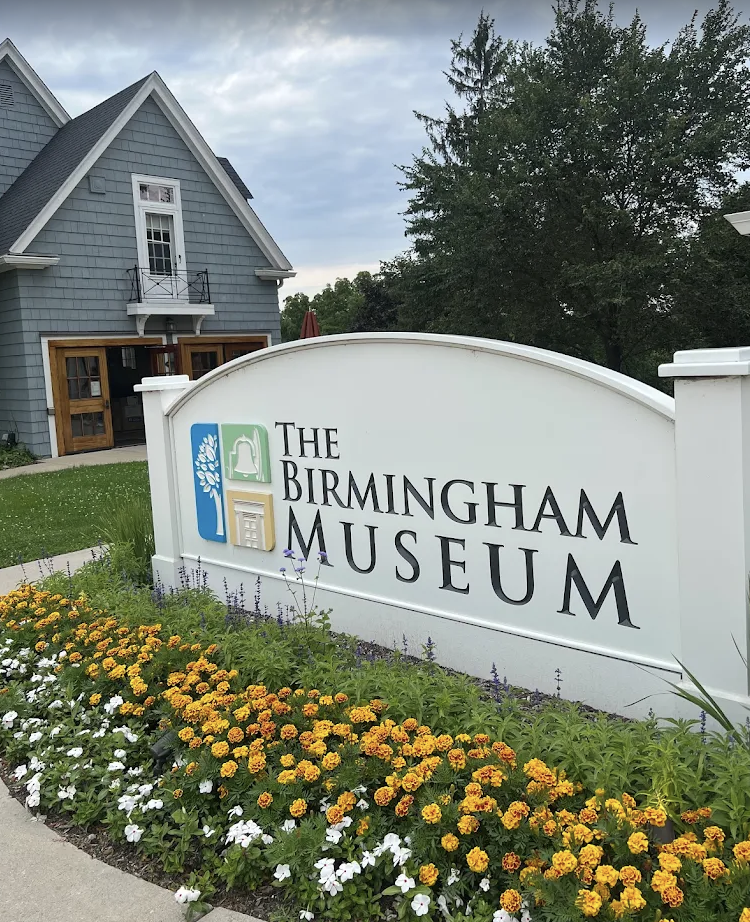
The Birmingham Museum is at 556 W. Maple Road. Details at bhamgov.org/museum.
Upcoming:
- Summer 2026: Invasive species inventory begins on museum grounds
- Fall 2026: Volunteer removal of buckthorn and phragmites starts; native planting to follow into 2027
- QR-coded interpretive markers to be installed along 1½ miles of Rouge River trail (date to be announced)