Birmingham and Bloomfield Hills families using AI-powered classroom tools face new questions after Microsoft agreed to stop using student data to train its artificial intelligence products, effective Nov. 1.
The agreement with the American Federation of Teachers (AFT), first reported by the Associated Press, is legally binding and requires third-party audits. It prohibits Microsoft from selling student data, using it for advertising or product development, or deploying AI features that foster emotional dependency in students.
Neither district has issued a public statement about the agreement.
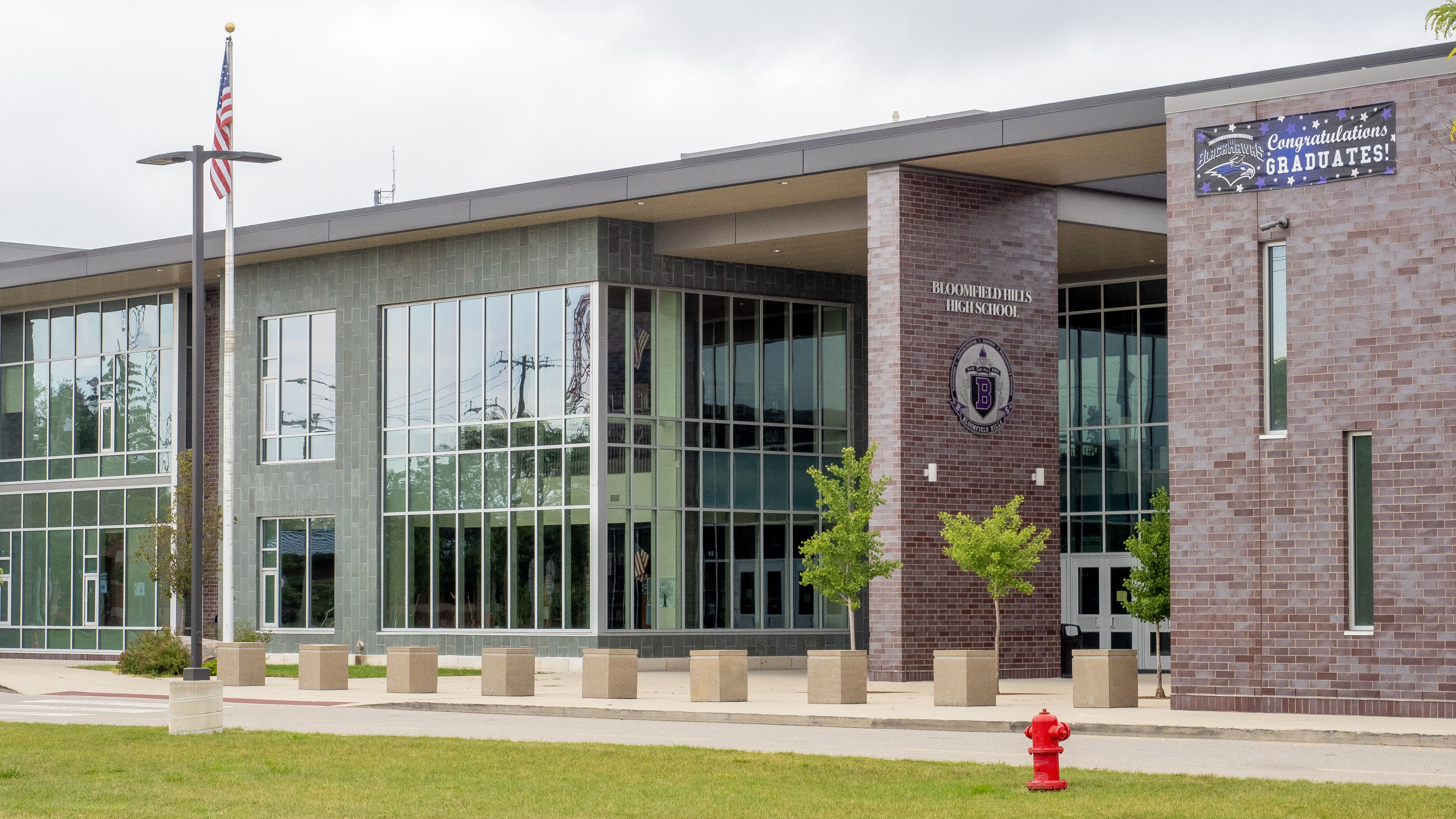
The catch for local families: Bloomfield Hills Schools' approved AI tools are Google-ecosystem products, not Microsoft. The district's AI Integration Roadmap, presented to the board in October 2025 by David Shulkin, director of instructional technology, approved Gemini, MagicSchool AI, Canva and NotebookLM for classroom use. That roadmap identified data privacy as a key challenge.
Google, the dominant provider of education technology in U.S. schools, has not said whether it will adopt similar protections. The company turned on its Gemini chatbot for many K-12 students in Google Classroom in August 2026. OpenAI and Anthropic told the AP they are discussing similar pacts with the AFT.
"We want parents to have control of their kids' education. We want educators to have control of kids' education, not ed tech. And that's what this agreement is," AFT President Randi Weingarten said at a joint news conference with Microsoft President and Vice Chair Brad Smith on Sept. 15.
Smith said the company would extend the agreement to every school district in the country. Under the memorandum of agreement, any district can request that Microsoft meet or exceed the standard in its own contract within 90 days of the effective date.
The agreement also bars behavioral tracking, keystroke logging, continuous attention monitoring, long-term student profiling and biometric data collection. Microsoft committed not to use sensitive demographic data such as gender, race, age and ZIP code that could identify a student even without a name, according to Elizabeth Laird, director at the Center for Democracy & Technology.
The privacy ban applies retroactively. Microsoft cannot use any previously collected student data for AI training, and that prohibition survives even if the agreement ends, according to the memorandum.
Birmingham Public Schools Superintendent Embekka Roberson said in a July 2026 statement about the district's $240 million bond proposal that the district continuously reviews its instructional technology, screen time and educational software to ensure the tools add value to student learning. The bond, on the Nov. 3 ballot, includes funding for instructional technology infrastructure.
Not everyone sees the agreement as a clear win. Josh Golin, executive director of online safety nonprofit Fairplay, told the AP he worries schools may treat the privacy framework as an endorsement of AI tools themselves.
Bloomfield Hills High School teacher Rachel Matz, the district's High School Teacher of the Year, told the student newspaper BHHS Today in February 2026 that students could "lose their ability to think critically" without proper guidance on AI use. Birmingham Public Schools implemented a bell-to-bell cellphone ban on Aug. 31 as part of its own approach to student technology.
The agreement takes effect Nov. 1. Two days later, Birmingham voters decide on the district's $240 million bond, which includes instructional technology funding.