Oakland County has surpassed 1,000 confirmed cases of cyclosporiasis as Michigan's unprecedented parasite outbreak more than doubled in two weeks, according to MDHHS data reported by the Oakland Press on Thursday, July 30.
The state health department counted 1,043 cases in Oakland County, making it the third-hardest-hit county in Metro Detroit and one of the most affected in the state. Michigan now leads the nation with 10,386 total confirmed infections. The state typically sees about 50 cyclosporiasis cases per year.
Statewide, 193 people have been hospitalized. No deaths have been reported.
The recall
On July 17, Taylor Farms de Mexico issued a voluntary recall of all iceberg lettuce sourced from central Mexico after federal investigators linked the product to a multistate outbreak. The recall covers retail products including Marketside-brand iceberg lettuce sold at Walmart, with best-if-used-by dates of July 18 through Aug. 3.
Taco Bell has stopped using all iceberg lettuce from Taylor Farms nationwide. Taylor Farms said it has suspended all iceberg lettuce sourcing and production from its central Mexico facility.
The CDC and FDA have linked a nine-state cluster of 1,947 cases, including 98 hospitalizations, to shredded iceberg lettuce served at Taco Bell locations. But Michigan's broader outbreak extends beyond that cluster. State officials have pointed to lettuce and salad greens as a likely source while noting they cannot rule out other produce. About 12% of Michigan patients report no clear link to lettuce consumption.
Staffing strain
Oakland County's health division is stretched thin. As of Friday, July 24, a team of just four communicable disease nurses and three epidemiologists was handling all case interviews for the county's nearly 1.3 million residents, Reuters reported. Oakland County Health Officer Kate Guzman said the county has pulled in nurses from its hepatitis C and HIV programs to assist.
During the COVID-19 pandemic, the county had 12 additional outreach staff. Four nurses were let go this past spring after the federal government canceled COVID-era grants to states.
At the state level, Michigan's chief medical executive, Dr. Natasha Bagdasarian, described the strain on Saturday, July 25: "We have had to pull in dozens of staff from other areas, from hepatitis C and interns who are working on gun violence prevention."
"We anticipate continuing to see cases increase, possibly through the end of August," Gwen Biggerstaff, deputy director of the CDC's Division of Foodborne, Waterborne and Environmental Diseases, said Wednesday, July 29.
What residents should know
Cyclosporiasis symptoms include watery diarrhea, loss of appetite, weight loss, cramping, bloating, nausea, and fatigue. Symptoms can appear two days to two weeks after exposure.
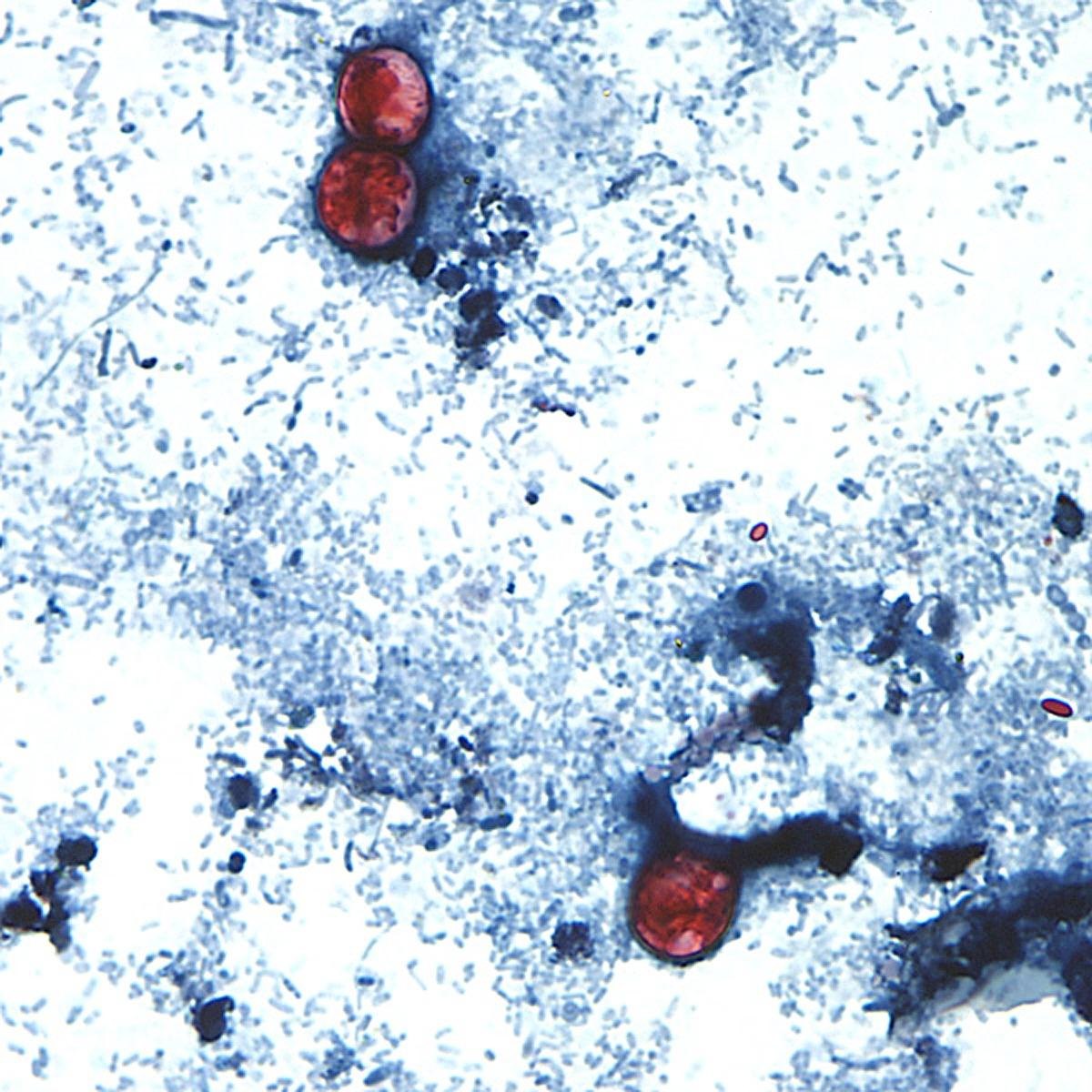
Standard stool tests do not detect Cyclospora. Residents who suspect infection should ask their doctor to specifically order a Cyclospora test, which requires a modified acid-fast stain or PCR. Once confirmed, the antibiotic trimethoprim-sulfamethoxazole (sold as Bactrim or Septra) is effective.
Washing produce does not reliably remove the parasite because it can embed in the flesh of the vegetable. Cooking food to at least 158 degrees Fahrenheit destroys it.
MDHHS posts daily case updates and weekly Thursday breakdowns by county on its outbreak tracker. The next county-level update is expected Thursday, Aug. 6.